Introduction
When it concerns fencing alternatives, house owners typically discover themselves at a crossroads. Picking the best type of fence can be as difficult as choosing the ideal shade of paint for your living room. Two popular choices that often show up in conversations are Colorbond fences and traditional fencing. Each type has its own distinct benefits and downsides, but which one really reigns supreme? In this post, we will start an adventurous journey through the landscape of fencing options to figure out, at last, Colorbond Fences vs. Conventional Fencing: Which is Better?
Colorbond Fences: An Overview
What is a Colorbond Fence?
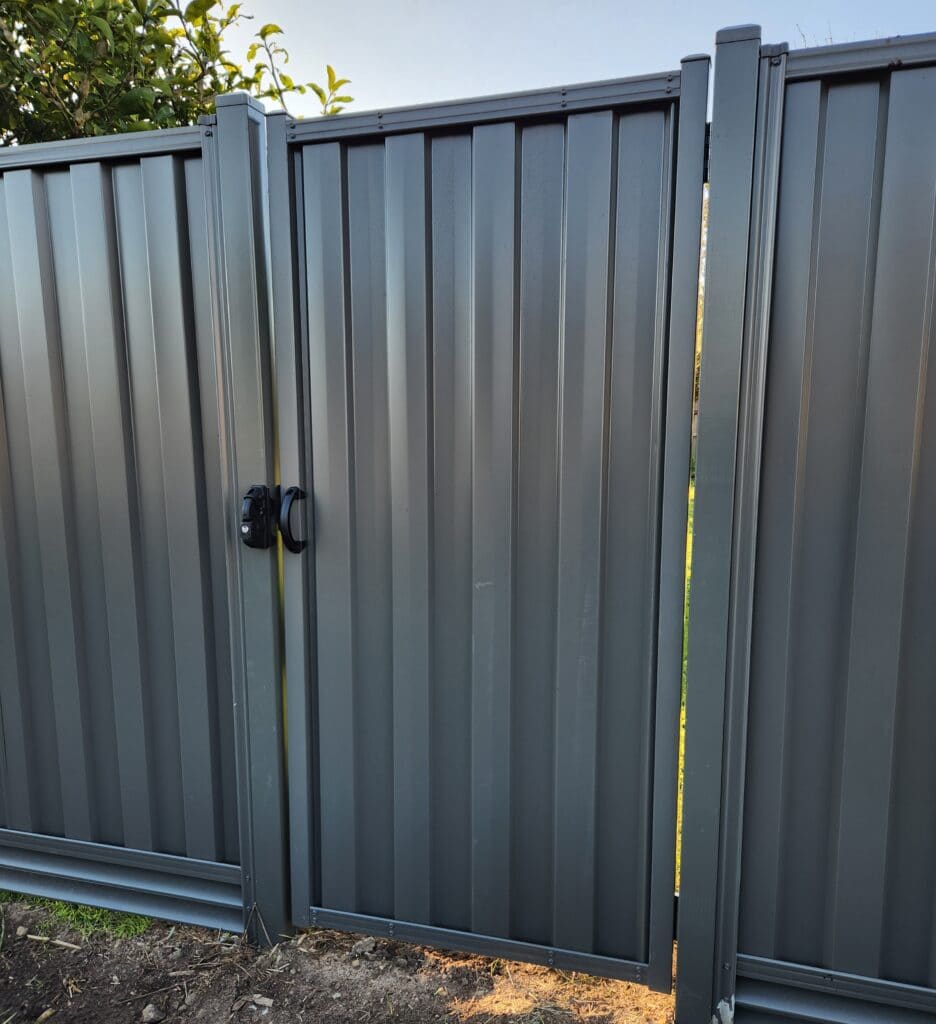
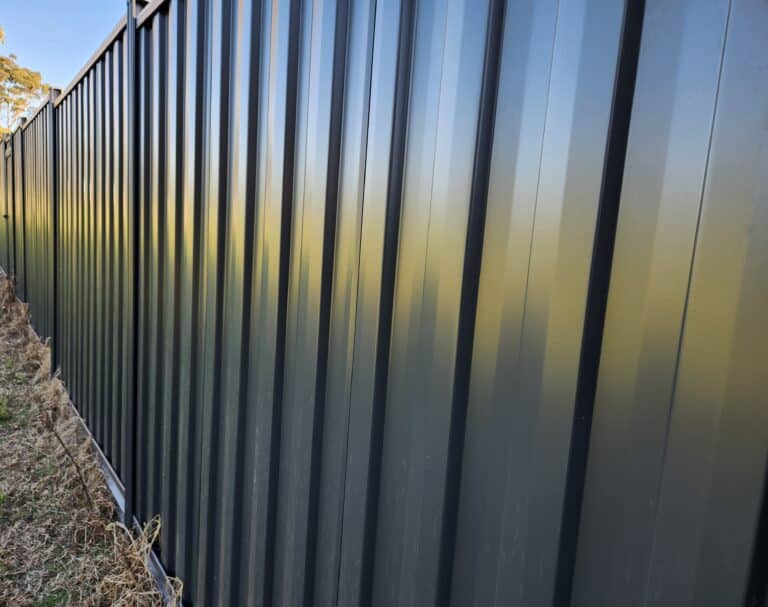
A Colorbond fence is a contemporary fencing service made from top quality steel coated with a durable surface. It uses house owners a smooth look and remarkable longevity. The charm lies not simply in its aesthetic appeal but likewise in its durability versus severe weather condition conditions.
Key Features of Colorbond Fencing
- Durability: Unlike wood or vinyl, Colorbond steel fences do not warp, rot, or rust. Variety of Colors: Available in multiple colors to match any home design. Low Maintenance: Needs very little maintenance compared to standard wood fences. Fire Resistance: Made from non-combustible materials, providing safety benefits.
The Production Process
The production of Colorbond steel involves several steps:
Steel Coating: Top quality steel sheets are covered with zinc, followed by a layer of guide and an exterior coat. Color Application: A final color coat supplies both aesthetic appeal and UV protection.This meticulous process guarantees that each panel can stand up to the test of time while maintaining its visual appeal.
Traditional Fencing: An Overview
What Makes up Standard Fencing?
Traditional fencing normally consists of wood or vinyl options that have been utilized for years. These products offer a traditional appearance but featured their own set of challenges.
Key Functions of Conventional Fences
- Natural Aesthetic: Wood fences provide heat and blend seamlessly into natural landscapes. Customizable Designs: Can be integrated in various styles that reflect personal tastes. Eco-Friendly Options: Lots of wooden fences are sourced sustainably.
Common Products Used
Wood: Cedar, pine, and redwood are popular options due to their natural appearance. Vinyl: Offers a more contemporary appearance while being resistant to fading and warping.Colorbond Fences vs. Conventional Fencing: Sturdiness Comparison
Lifespan of Colorbond vs. Wood
When considering sturdiness, there's no contest; Colorbond fences outlive most conventional options by decades. A well-installed Colorbond fence can last over 30 years with very little maintenance, whereas wood fences generally need replacement every 10 to 15 years due to rot or insect damage.
Resistance to Weather condition Conditions
Weather Resistance Table
|Condition|Colorbond Fence|Traditional Wood Fence|| -------------------|-----------------|------------------------|| Rain|Outstanding|Poor (can rot)|| Sunlight|Excellent|Moderate (can fade)|| Wind|Outstanding|Moderate (can break)|| Fire|Outstanding|Poor (flammable)|
As illustrated in this table, Colorbond's weather resistance makes it the exceptional option for homes vulnerable to adverse weather conditions.
Installation Process Comparison
How is Colorbond Fence Installation Done?
The installation of a Colorbond fence installation includes several key steps:
Preparation: Marking limits and clearing debris. Setting Posts: Setting up resilient steel posts into concrete footings. Panel Installation: Connecting pre-made panels quickly and easily.Challenges in Installing Traditional Fences
Installing traditional wooden or vinyl fences often needs more labor-intensive processes:
Custom-cutting panels Ensuring posts are level Regular upkeep checks during installationThis intricacy can result in increased labor costs when hiring an expert installer.
Cost Analysis Between Colorbond and Traditional Fencing
Initial Investment
While the preliminary expense for setting up a Colorbond fence might be greater than that of standard wood or vinyl choices, it's essential to consider long-lasting cost savings due to less upkeep:
Cost Breakdown Table
|Type|Preliminary Cost Estimate|Maintenance Expense per Year|| -------------------------|------------------------|---------------------------|| Colorbond Fence|$75 - $100 per meter|$20|| Traditional Wood Fence|$60 - $80 per meter|$200|
As showed here, although you might pay more upfront for a Colorbond fence, your cost savings on upkeep expenses will stack up over time.
Aesthetic Appeal and Design Flexibility
Visual Impact of Colorbond Fences
With their streamlined lines and modern-day finishes, Colorbond fences offer contemporary appeal fit for different architectural styles-- whether it's a city loft or rural home.
Traditional Wood's Classic Charm
On the other hand, nothing beats the traditional appeal that wood fences give the table! Their ability to mix into natural surroundings makes them an enduring favorite amongst house owners seeking rustic aesthetics.
Environmental Considerations
Eco-Friendliness of Colorbond
Manufactured from recyclable products and needing https://cesarymkc643.theglensecret.com/comprehending-different-types-of-finishes-available-for-colorbond-fences little energy for upkeep functions makes the Colorbond choice eco-friendly!
Sustainability of Wood
Conversely, properly sourced wood can also be sustainable-- however keep in mind that ongoing treatments may include chemicals damaging to nature!
FAQs About Colorbond Fences vs. Traditional Fencing
Are Colorbond fences more costly than wooden ones?
Yes; nevertheless, they need less maintenance in time which offsets those preliminary costs.
How do I find a trusted Colorbond fence company?
Search for local evaluations online or ask neighbors who've had similar setups done!
Can I install my own Colorbond fence?
While DIY is possible if you come in handy enough-- employing specialists like a Colorbond fence contractor ensures quality craftsmanship!
What colors are readily available in the Colorbond range?
There's a substantial scheme readily available covering everything from earthy tones to brilliant hues!
How often needs to I maintain my wooden fence?
Routinely inspect every year; apply preservatives every 2 years at minimum!
Do I require council approval for either type?
Conclusion
In conclusion, when weighing your options for fencing services in between Colorbond fences and standard alternatives-- it ends up being clear that each has its merits depending on specific choices! Nevertheless-- when thinking about sturdiness, low upkeep needs & & visual adaptability-- it's difficult not to lean towards Colorband as an impressive choice! Prepared to take the plunge? Talk to your regional Colorband fence installer today!